
Uncategorized
Discover How Ashwagandha Can Transform Your Physical and Mental Well-being
Have you ever wondered why your grandmother seemed so much calmer and more resilient than people today? The secret might lie in an ancient herb that’s been quietly supporting human wellness for over 3,000 years.
When I first discovered ashwagandha during my own health journey, I was skeptical. Could this strange-sounding herb really deliver on its promises? After months of research and personal experimentation with high-quality ashwagandha from traditional sources, I can honestly say it’s been a game-changer. Today, I want to share everything I’ve learned about this remarkable adaptogen and how it might help you reclaim your vitality.
What Exactly Is Ashwagandha? Understanding the “Indian Winter Cherry”
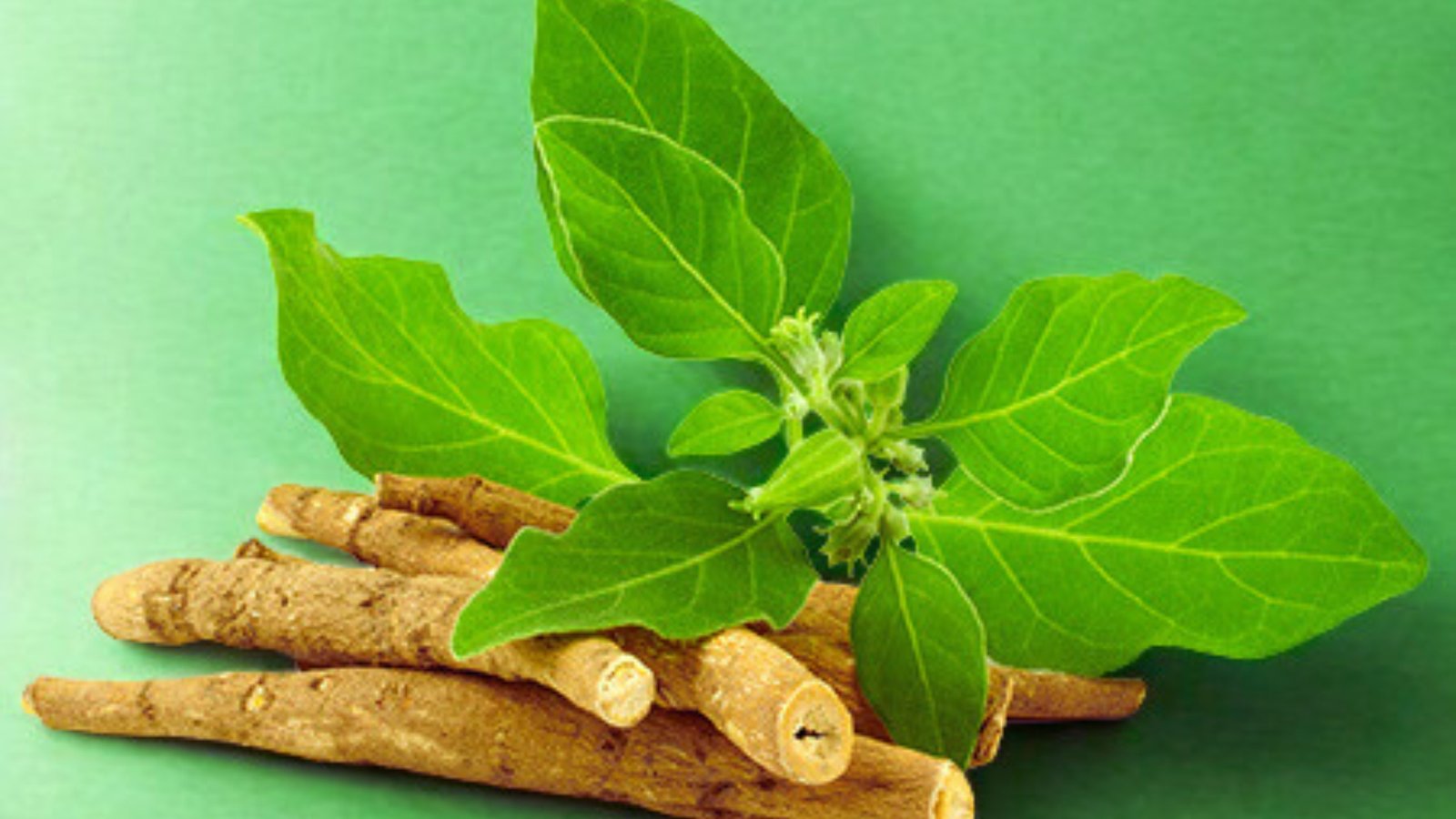
Ashwagandha (Withania somnifera), often called Indian ginseng or winter cherry, is one of the most revered herbs in Ayurvedic medicine. The name literally translates to “smell of horse” in Sanskrit – not because it smells particularly equine, but because traditional practitioners believed it could give you the strength and stamina of a horse.
This powerful adaptogen belongs to the nightshade family and has been used for centuries in India to help the body manage stress, boost energy, and promote overall wellness. What makes ashwagandha special are its bioactive compounds called withanolides, which are responsible for most of its therapeutic effects.
Unlike synthetic supplements that target specific symptoms, ashwagandha works holistically with your body’s natural systems. It’s what we call an adaptogen – a substance that helps your body adapt to various stressors, whether they’re physical, emotional, or environmental.
The Science Behind Ashwagandha: What Modern Research Reveals
While ancient Ayurvedic texts have praised ashwagandha for millennia, modern science is finally catching up. Recent studies have revealed that this humble root contains powerful antioxidant and anti-inflammatory properties, along with the unique ability to influence neurotransmitters in your brain.
What’s particularly fascinating is how ashwagandha seems to work on multiple levels simultaneously. It doesn’t just mask symptoms – it actually helps restore balance to your body’s stress response systems. This is why many people report feeling more like “themselves” after incorporating ashwagandha into their routine.
The research includes both human clinical trials and laboratory studies, though scientists agree that more extensive research is needed to fully understand ashwagandha’s potential. However, the existing evidence is promising enough that many healthcare practitioners now recommend it as part of a holistic wellness approach.
Your Stress Response: How Ashwagandha Can Help You Find Your Center
Let’s be honest – modern life is stressful. Between work deadlines, family responsibilities, financial pressures, and the constant buzz of notifications, our nervous systems are in a perpetual state of “fight or flight.” This chronic stress doesn’t just make you feel overwhelmed; it can seriously impact your physical health too.
Here’s where ashwagandha truly shines. Multiple clinical studies have demonstrated its remarkable ability to help manage chronic stress. In one particularly compelling study, participants who took ashwagandha showed significant improvements in their stress levels compared to those taking a placebo.
The study divided participants into three groups: one received a placebo, another took 250mg of ashwagandha daily, and the third took 600mg daily. After eight weeks, both ashwagandha groups showed impressive results:
- Reduced cortisol levels: Cortisol is your body’s primary stress hormone, and chronically elevated levels can wreak havoc on your health
- Lower perceived stress scores: Participants reported feeling significantly less stressed in their daily lives
- Better dose response: Those taking 600mg daily experienced even greater benefits than the 250mg group
What struck me most about this research is how participants didn’t just feel less stressed – their bodies actually showed measurable improvements in stress markers. This suggests that ashwagandha isn’t just providing a temporary mood boost; it’s actually helping restore balance to your stress response system.
Calming Anxiety Naturally: A Gentler Approach to Mental Wellness
If you’ve ever experienced anxiety, you know how debilitating it can be. Your heart races, your mind spirals, and everyday tasks suddenly feel overwhelming. While ashwagandha isn’t a cure-all, research suggests it may offer gentle, natural support for anxiety management.
The anti-inflammatory and antioxidant properties of ashwagandha appear to play a crucial role in its anxiety-reducing effects. A comprehensive review of five human trials found that all participants showed improvements in their anxiety levels when taking ashwagandha supplements.
What I find particularly encouraging is that ashwagandha seems to offer these benefits without the side effects commonly associated with pharmaceutical anxiety medications. People report feeling calmer and more centered without experiencing drowsiness or mental fog.
One study that really caught my attention involved participants taking ashwagandha for 30 days. Those in the ashwagandha group reported significant improvements in their anxiety levels compared to the placebo group. The participants didn’t just feel better – they felt more like themselves, with improved confidence and emotional stability.
Sharpening Your Mind: Ashwagandha’s Impact on Memory and Cognitive Function
Have you ever walked into a room and completely forgotten why you went there? Or struggled to concentrate during important meetings? You’re not alone, and ashwagandha might be able to help.
Traditional Ayurvedic practitioners have long used ashwagandha to support mental clarity and memory, and modern research is beginning to validate these ancient insights. A fascinating clinical trial demonstrated that ashwagandha root extract can genuinely improve memory and overall cognitive function.
In this randomized, double-blind study – the gold standard of scientific research – participants received either 300mg of ashwagandha daily or a placebo for 90 days. The results were impressive: those taking ashwagandha showed significant improvements in:
- Visual memory: Better ability to remember and recall visual information
- Learning capacity: Enhanced ability to acquire new information
- Attention span: Improved focus and concentration
Perhaps even more exciting is research on ashwagandha’s potential for people experiencing mild cognitive decline. In another study, participants with mild cognitive impairment took either a placebo or 300mg of ashwagandha twice daily for eight weeks. The ashwagandha group showed significant improvements in both general memory and immediate recall.
Boosting Physical Performance: Unleashing Your Inner Athlete
Whether you’re a weekend warrior or someone who simply wants more energy for daily activities, ashwagandha might help you perform at your best. Ancient texts describe ashwagandha as a rasayana – a tonic that promotes physical strength and vitality – and modern research supports these traditional uses.
Athletes and fitness enthusiasts are increasingly turning to ashwagandha for its potential performance benefits. One compelling study involved participants taking either a placebo or 600mg of ashwagandha daily for eight weeks. The results showed statistically significant improvements in:
- Aerobic capacity: Better cardiovascular endurance during exercise
- Recovery time: Faster bounce-back after intense physical activity
- Overall stamina: Sustained energy levels throughout workouts
These findings are supported by a comprehensive review analyzing 12 different studies on ashwagandha and physical performance. The analysis revealed consistent improvements in strength, power, endurance, and recovery among participants using ashwagandha compared to placebo groups.
What’s particularly interesting is that ashwagandha doesn’t seem to provide a temporary energy boost like caffeine might. Instead, it appears to support your body’s natural energy production systems, helping you maintain consistent performance over time.
Better Sleep, Better Life: How Ashwagandha Supports Restorative Rest
Quality sleep is the foundation of good health, yet millions of people struggle with insomnia and poor sleep quality. If you’re tired of lying awake at 2 AM with racing thoughts, ashwagandha might offer the natural sleep support you’ve been searching for.
Research on ashwagandha’s sleep benefits is particularly promising. In one study, participants took either a placebo or 300mg of ashwagandha twice daily for 10 weeks. Those taking ashwagandha experienced significant improvements in multiple sleep parameters:
- Sleep onset latency: They fell asleep faster after getting into bed
- Total sleep time: They enjoyed longer, more complete sleep cycles
- Sleep efficiency: A higher percentage of time in bed was actually spent sleeping
- Fewer nighttime awakenings: Less disrupted, more continuous sleep
Another study examining ashwagandha’s effects on sleep quality found that the best results occurred among participants taking at least 600mg daily for a minimum of eight weeks. This suggests that consistent, adequate dosing is important for experiencing ashwagandha’s sleep benefits.
What I love about ashwagandha for sleep is that it doesn’t knock you out like a pharmaceutical sleep aid might. Instead, it seems to help quiet your nervous system naturally, making it easier for your body to transition into its natural sleep rhythms.
Supporting Fertility and Reproductive Health: Ancient Wisdom Meets Modern Science
Throughout history, ashwagandha has been valued as a reproductive tonic for both men and women. While this might seem unrelated to stress and energy, there’s actually a strong connection – chronic stress can significantly impact reproductive health and hormone balance.
Research suggests that ashwagandha may support reproductive wellness in several ways:
- Enhanced libido: Some studies indicate increased sexual interest and arousal in both men and women
- Improved sperm parameters: Research shows potential benefits for sperm count and quality
- Hormonal balance: Evidence suggests ashwagandha may help optimize testosterone levels in men
However, it’s important to note that some animal studies have raised questions about ashwagandha’s effects on fertility in certain contexts. As with any supplement, it’s crucial to work with a healthcare provider, especially if you’re trying to conceive or have existing reproductive health concerns.
Exploring Additional Benefits: What Else Can Ashwagandha Do?
As researchers continue studying ashwagandha, they’re discovering potential benefits for an expanding range of health concerns. While more research is needed, preliminary studies suggest ashwagandha might offer support for:
- Addictive behaviors: Some evidence suggests it may help with addiction recovery
- Attention challenges: Potential benefits for focus and concentration issues
- Mood disorders: Early research on depression and emotional balance
- Autoimmune conditions: Possible support for inflammatory conditions like rheumatoid arthritis
- Blood sugar management: Preliminary evidence for type 2 diabetes support
It’s important to remember that ashwagandha isn’t a miracle cure, and it shouldn’t replace conventional medical treatment for serious health conditions. However, it may serve as valuable complementary support as part of a comprehensive wellness approach.
Understanding Dosage: How Much Ashwagandha Should You Take?
One of the most common questions I get is: “How much ashwagandha should I take?” Unfortunately, there isn’t a one-size-fits-all answer, as optimal dosing can vary based on your individual needs, body weight, and health goals.
Based on the research I’ve reviewed, here are some general guidelines:
- For stress and anxiety: Studies typically use 225-400mg daily
- For sleep support: Research suggests 300-600mg daily may be most effective
- For cognitive function: Studies often use around 300-600mg daily
- For physical performance: Research typically involves 300-1,250mg daily
- For general wellness: Many people start with 300-500mg daily
Most studies suggest that ashwagandha is meant to be taken consistently over time rather than as needed. The herb seems to work by gradually supporting your body’s natural balance, so you’re more likely to experience benefits with regular, long-term use.
Choosing Quality Ashwagandha: Why Source Matters
Not all ashwagandha supplements are created equal, and this is where quality really matters. As someone who’s tried various brands and forms, I can tell you that the source, processing method, and concentration of active compounds can dramatically impact your results.
At Mooveda, we understand the importance of authenticity and quality when it comes to traditional Ayurvedic herbs. Our ashwagandha products are sourced directly from trusted growers in India, where this remarkable herb has been cultivated for thousands of years.
Our Ashwagandha Root is available in multiple sizes (4 oz, 8 oz, 16 oz, and 35 oz) and represents the traditional whole-plant approach to herbal medicine. When you use the whole root, you’re getting the complete spectrum of beneficial compounds as nature intended.
Our Ashwagandha Powder offers convenience without compromising quality. Available in the same size options, this finely ground powder makes it easy to incorporate ashwagandha into smoothies, teas, or traditional preparations.
For those interested in traditional Ayurvedic formulations, our Amukkara Legiyam (ashwagandha lehyam) represents centuries of refined herbal knowledge. This traditional preparation combines ashwagandha with other complementary herbs and natural sweeteners, creating a potent yet palatable formula that’s been used in South Indian Ayurvedic practice for generations.
Potential Side Effects and Precautions: What You Need to Know
While ashwagandha is generally well-tolerated, it’s important to be aware of potential side effects and interactions. Most people experience no adverse effects, but some may notice:
Common mild side effects:
- Drowsiness (especially when first starting)
- Mild stomach discomfort
- Loose stools
- Dry mouth
Less common side effects:
- Increased energy or restlessness
- Nasal congestion
- Changes in appetite
- Skin reactions
Important precautions:
- Avoid during pregnancy and breastfeeding
- Stop use at least two weeks before scheduled surgery
- Use caution if you have thyroid disorders
- May interact with diabetes, blood pressure, and immune system medications
- Those with hormone-sensitive conditions should consult healthcare providers
In rare cases, some people have experienced liver-related issues with high doses of ashwagandha. Most experts believe this is related to dosage and individual sensitivity rather than the herb itself, but it’s another reason to start with moderate amounts and work with a knowledgeable healthcare provider.
Natural Alternatives and Complementary Options
While ashwagandha is incredibly versatile, you might be interested in other natural options that work well alongside it or serve similar purposes:
L-theanine offers gentle relaxation support and may complement ashwagandha’s stress-reducing effects. Found naturally in tea, L-theanine promotes calm alertness without drowsiness.
Vitamin D plays a crucial role in mood regulation and overall health. Many people with stress and anxiety issues are deficient in vitamin D, making supplementation potentially beneficial.
Saffron is another traditional herb with impressive research backing its mood and memory benefits. Like ashwagandha, saffron has been used for centuries in traditional medicine systems.
Passionflower offers natural sleep support and may work synergistically with ashwagandha for those struggling with sleep issues.
At Mooveda, we also offer Thotta Sinungi (Sleepy Plant Powder), which provides additional natural sleep support and can complement ashwagandha beautifully for those dealing with sleep challenges.
How to Incorporate Ashwagandha into Your Daily Routine
The beauty of ashwagandha lies in its versatility. Here are some practical ways to make this powerful herb part of your daily wellness routine:
Traditional Tea Method: Simmer 1 teaspoon of ashwagandha powder in 1 cup of milk (dairy or plant-based) for 10-15 minutes. Add honey, ghee, or warming spices like cardamom and cinnamon. This traditional preparation is especially soothing before bedtime.
Morning Smoothie Boost: Add 1/2 to 1 teaspoon of ashwagandha powder to your morning smoothie along with fruits, greens, and protein powder. The natural sweetness helps mask any earthy flavor.
Golden Milk Latte: Combine ashwagandha powder with turmeric, ginger, and other warming spices for a delicious evening drink that supports both stress relief and healthy inflammation response.
Capsule Convenience: If you prefer precise dosing, you can fill vegetarian capsules with ashwagandha powder for easy daily supplementation.
Traditional Lehyam: Our Amukkara Legiyam can be taken directly (about 1 teaspoon) or mixed into warm milk or water. This traditional preparation is particularly nourishing and easy to digest.
The Mooveda Difference: Why Quality Matters
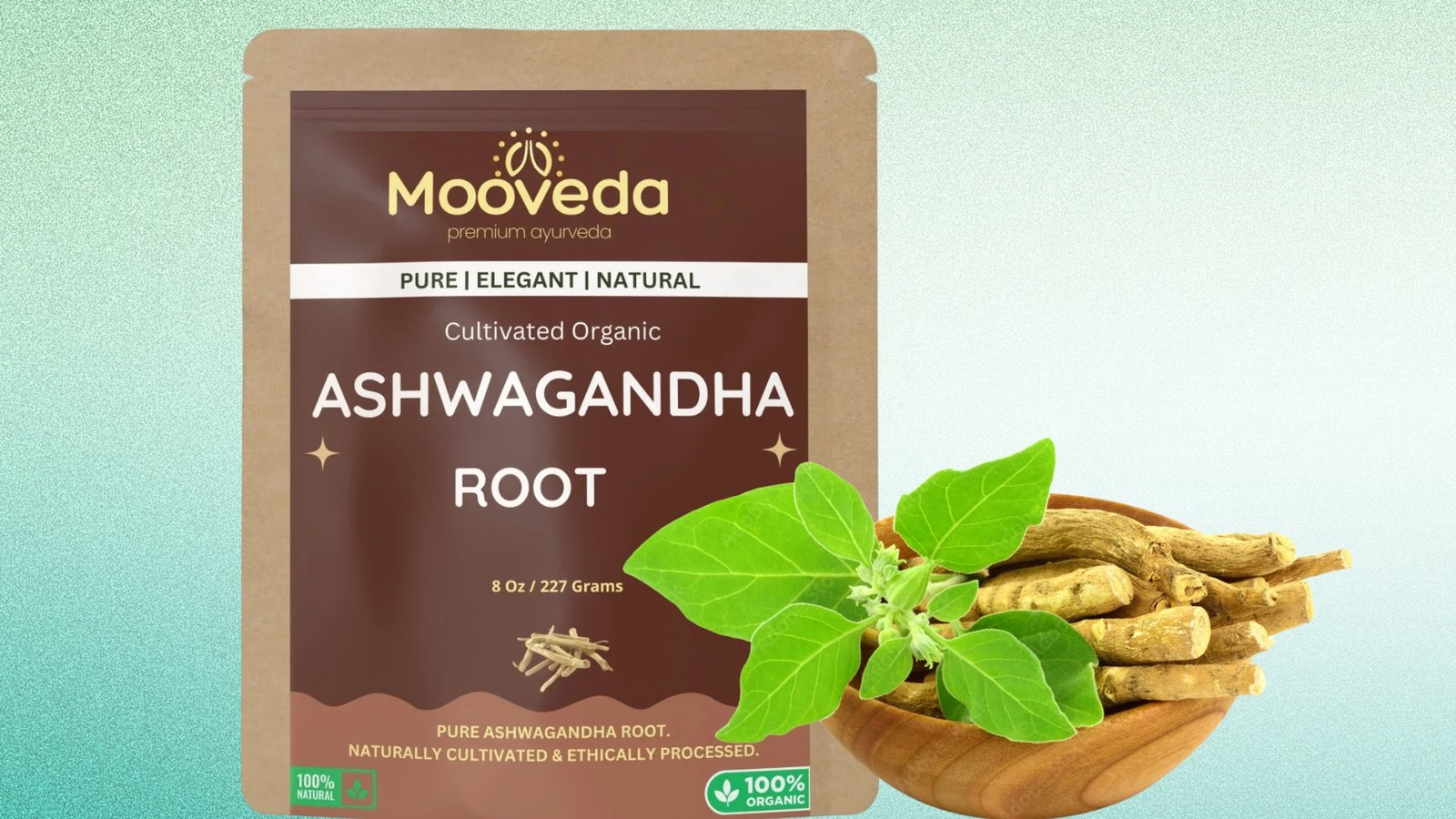
When I discovered Mooveda, I was impressed by their commitment to preserving traditional Ayurvedic wisdom while meeting modern quality standards. Their ashwagandha products represent everything I look for in herbal supplements:
Authentic sourcing directly from traditional growing regions in India ensures you’re getting ashwagandha with the full spectrum of beneficial compounds.
Traditional processing methods preserve the herb’s natural potency while removing impurities and ensuring consistent quality.
Multiple forms and sizes allow you to choose the option that best fits your lifestyle and needs, whether you prefer the convenience of powder or the traditional approach of whole roots.
Transparent practices mean you know exactly what you’re getting – pure, high-quality ashwagandha without fillers, artificial additives, or questionable processing methods.
Your Journey with Ashwagandha: Setting Realistic Expectations
As you consider adding ashwagandha to your wellness routine, it’s important to have realistic expectations. This isn’t a quick fix or magic bullet – it’s a gentle, natural support system that works best as part of a holistic approach to health.
Most people begin noticing subtle improvements within 2-4 weeks of consistent use, with more significant benefits emerging after 6-8 weeks. Some individuals report feeling calmer and sleeping better within the first week, while others need longer to experience noticeable changes.
Remember that ashwagandha works best when combined with other healthy lifestyle practices: regular exercise, adequate sleep, stress management techniques, and a balanced diet all enhance its benefits.
The Future of Ashwagandha Research: What’s Coming Next
The scientific community’s interest in ashwagandha continues to grow, with new studies exploring its potential for everything from cognitive aging to athletic performance recovery. As research methods become more sophisticated, we’re likely to gain even deeper insights into how this ancient herb supports human health.
Particularly exciting is emerging research on ashwagandha’s potential neuroprotective properties and its role in supporting healthy aging. Future studies may reveal even more applications for this versatile adaptogen.
Finding Your Path to Wellness
Whether you’re dealing with chronic stress, seeking better sleep, wanting to enhance your physical performance, or simply looking for natural support for overall vitality, ashwagandha offers a time-tested, research-backed option worth considering.
The key is starting slowly, choosing high-quality sources, and giving your body time to respond. Work with healthcare providers who understand both conventional medicine and traditional herbal approaches, especially if you have existing health conditions or take medications.
At Mooveda, we’re honored to be part of your wellness journey, offering authentic ashwagandha products that honor traditional wisdom while meeting modern quality standards. Whether you choose our pure ashwagandha powder, traditional root, or time-honored Amukkara Legiyam, you’re investing in thousands of years of Ayurvedic wisdom backed by contemporary research.
Remember, true wellness isn’t about finding a single solution – it’s about creating a sustainable lifestyle that supports your body’s natural ability to thrive. Ashwagandha can be a valuable ally on this journey, helping you navigate life’s challenges with greater resilience, energy, and peace of mind.
Your path to better health starts with a single step. Why not let that step be exploring the remarkable benefits of this ancient healing herb? Your future self will thank you for making the investment in natural, holistic wellness today.
